Unlock the power of your DNA with Probably Genetic — Your journey to health starts here.
Check eligibility


Danon disease is a rare, inherited genetic disorder caused by harmful changes in the LAMP2 gene. It primarily affects the heart, skeletal muscles, and brain, leading to problems such as cardiomyopathy (disease of the heart muscle), muscle weakness, and learning or behavioral difficulties. Danon disease follows an X-linked dominant inheritance pattern, so symptoms usually appear earlier and are more severe in males than in females. This gene is responsible for creating proteins that help the body’s “recycling centers” (lysosomes) function. When cells stop making these proteins, waste builds up within cells, which causes severe organ damage.
Danon disease presents as a "clinical triad" of heart, muscle, and cognitive symptoms. However, the timing and severity of these signs are heavily influenced by biological sex due to the X-linked nature of the disease. Common symptoms are outlined below:
Presentation in Males (XY)
Males typically experience the most severe and early-onset form of the disease because they have only one X chromosome.
Females often have a more variable and delayed presentation because they have a second, typically healthy X chromosome to partially compensate.
The path to a Danon disease diagnosis usually begins with routine screenings that reveal unexplained abnormalities. However, because Danon disease mimics other conditions, these tests are used to narrow down the possibilities, while genetic testing is required for a formal, definitive diagnosis.
Before genetic testing, doctors often identify the disease through:
Because the symptoms above can look like other diseases (like Pompe or HCM), a formal diagnosis must be confirmed by identifying a mutation in the LAMP2 gene. Methods include:
If you or a loved one is experiencing symptoms associated with Danon disease, Probably Genetic offers no-cost genetic testing and genetic counseling to patients with confirmed eligibility.
To be eligible, patients must be experiencing Danon disease symptoms and not have already received a genetic diagnosis. Probably Genetic is dedicated to offering as many tests as possible and commits to re-reviewing previously waitlisted applications as our testing capacity grows.
Due to the overlap of symptoms with other conditions and the rarity of the disease, Danon disease can often be misdiagnosed. Common misdiagnoses include:
Currently, there is no single approved cure. Treatment focuses on managing life-threatening cardiac symptoms:
As research continues, clinical trials and new therapies are being developed, providing hope for better management and treatment options in the future.
Life Expectancy and Prognosis
No-Cost Genetic Testing Program
Probably Genetic offers a no-cost genetic testing program for individuals suspected of having NPC. The process to apply is straightforward:
1. Begin the Online Symptom Assessment: Describe the symptoms you or a loved one is experiencing.
2. Complete Your Profile: Provide additional necessary information, including your address for the sample collection kit.
3. See if You Qualify: You’ll be notified via email regarding your eligibility.
Building a Support Network
Connecting with others who understand your experiences is crucial. The Danon Foundation and Hypertrophic Cardiomyopathy Association offer resources and community support to help families manage the challenges of Danon disease.
By leveraging these resources, patients and families can gain better insights into managing Danon disease and connecting with others who share similar experiences. Whether you're seeking information, community support, or considering genetic testing, these resources can help you navigate the journey with Danon disease.
FAQ section:
Life expectancy depends heavily on biological sex and access to cardiac intervention. Without a heart transplant, most males face life-threatening heart failure by their late teens or early 20s. Females typically have a longer life expectancy, often into their 30s or 40s, though they remain at risk for sudden cardiac events. A successful heart transplant can significantly extend these timelines.
Currently, there is no definitive cure that reverses the underlying genetic mutation in all cells. However, heart transplantation is a highly effective treatment for the most life-threatening symptom of heart failure. Unlike the original heart, a transplanted heart does not develop the thick walls associated with the disease.
Danon disease is inherited in an X-linked dominant pattern. This means the mutation is located on the X chromosome. Because it is dominant, even females with one healthy X chromosome usually develop symptoms. A mother with the mutation has a 50% chance of passing it to any child. A father with the mutation will pass it to all of his daughters but none of his sons.
Yes. Genetic testing can identify a mutation in the LAMP2 gene before physical symptoms like heart thickening or muscle weakness are visible on an EKG or ultrasound. Early detection is vital for monitoring cardiac health and determining if an implantable defibrillator (ICD) is necessary.
Most insurance providers cover genetic testing when it is ordered by a physician to investigate symptoms like unexplained cardiomyopathy or elevated muscle enzymes. Additionally, free genetic testing programs are available through organizations like Probably Genetic.
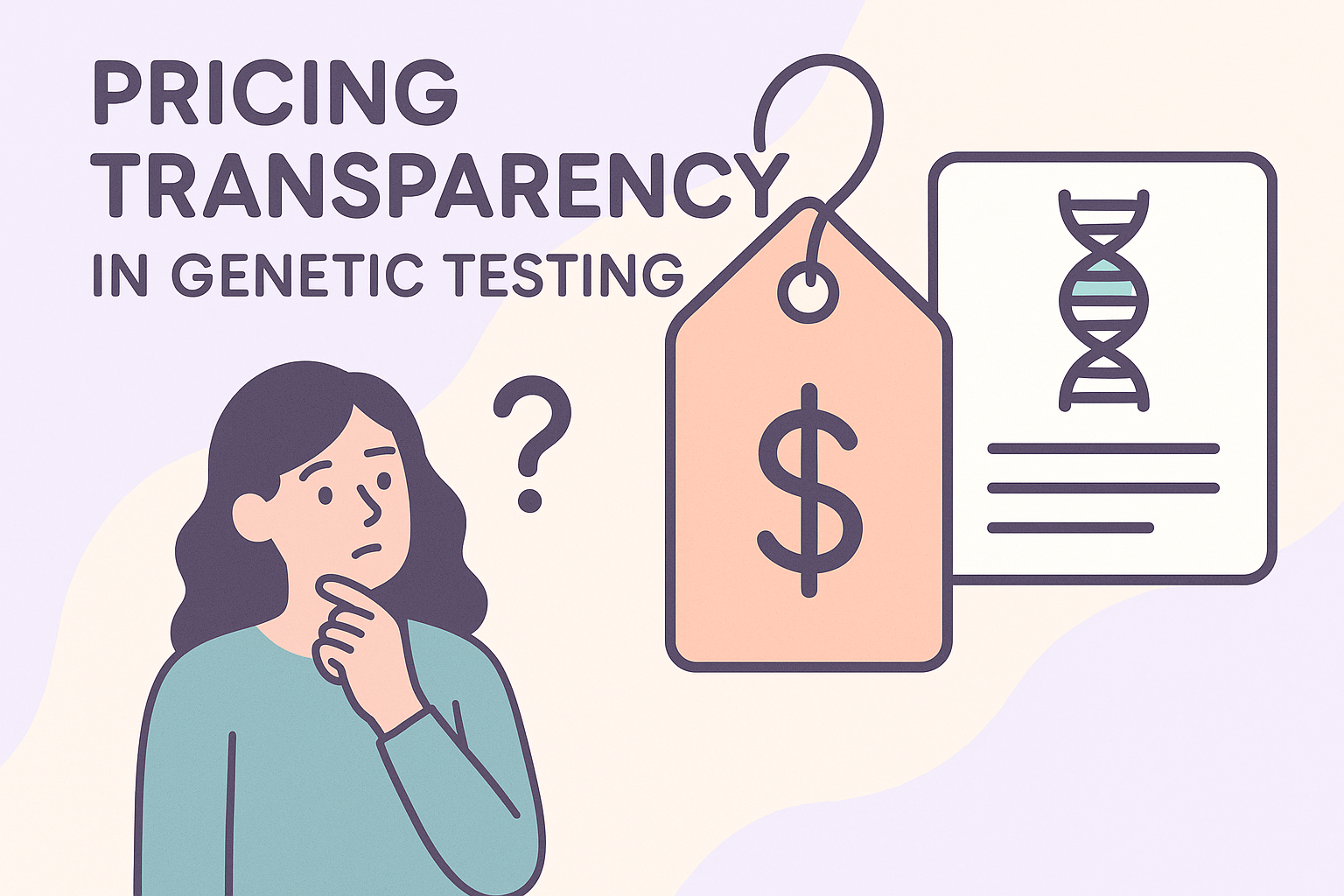
Clinical genetic testing for Danon disease typically costs between $200-$2,000 without insurance, depending on the specific tests ordered. However, no-cost testing programs are available for eligible patients.
Over 100,000 patients have created a profile with Probably Genetic to confirm their eligibility for our genetic testing and counseling programs.